
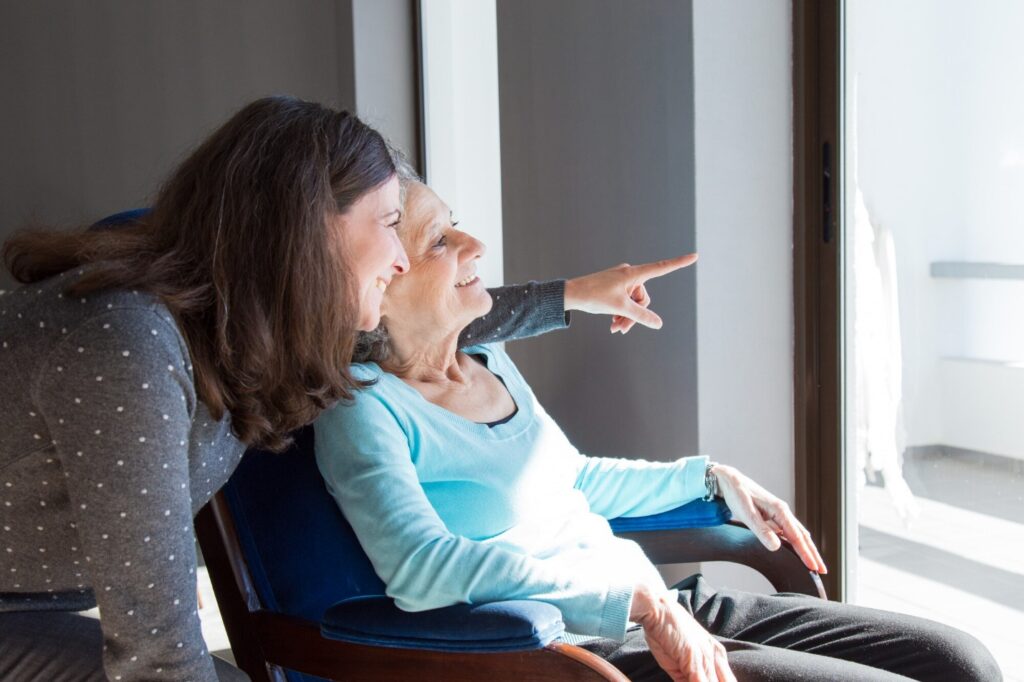
Choosing care for someone you love brings up a lot of questions, and person-centred care is a phrase you’ll see on almost every care website. But what does it actually mean once the marketing language is stripped away? Understanding the real philosophy behind this approach can help families make a decision built on trust, not just terminology.
Care Built Around the Person, Not the Task
Real person-centred care starts with a simple shift in thinking. Instead of asking what tasks need doing today, the question becomes who is this person, and what do they need to feel safe and comfortable?
Two people with identical physical needs can require completely different support. One person may want quiet, structured mornings. Another may need a familiar voice, a slower pace, or extra reassurance before anything begins.
Every plan should reflect the individual’s:
- Personal routines and daily habits
- Emotional needs, not just physical ones
- Past experiences that shape how they respond to care
- Preferences for how, when and by whom support is given
Emotional Safety Comes First

Physical tasks like washing, dressing or preparing meals are visible. Emotional safety often isn’t, yet it matters just as much.
Many older adults and vulnerable individuals have experienced illness, loss, or difficult life transitions. For some, even everyday support can feel exposing or uncomfortable if it’s rushed or impersonal.
Genuine trauma-informed care takes this seriously. It means carers explain what they’re doing before they do it. It means pace is never forced. It means dignity comes before efficiency, every single time.
Predictability and Trust Matter More Than People Realise
Unfamiliar faces and inconsistent routines can be unsettling, particularly for someone managing memory difficulties, anxiety, or a long-term health condition.
Relationship-based support relies on consistency. When the same carer visits regularly, something shifts. Preferences don’t need repeating. Trust builds naturally. Small details, like a favourite chair or the right way to make tea, become second nature rather than something written on a form and forgotten.
This kind of familiarity often does more for someone’s wellbeing than any single task on a checklist.
Respecting Lived Experience Instead of Ignoring It
Every person carries a history, and that history shapes how they respond to support. Someone who has lived independently for decades may find it difficult to accept help, even when they clearly need it.
A thoughtful, individualised care approach respects this instead of overriding it. Rather than insisting on rigid routines, carers work with the person’s existing habits, values and pace of life.
This might look like:
- Adjusting a morning routine around long-standing habits rather than a fixed schedule
- Involving the individual in decisions about their own care, wherever possible
- Recognising when someone needs space, and when they need company
- Listening first, before assuming what support should look like
Small Adjustments That Reflect Big Respect
Person-centred care often shows up in details that seem minor on the surface. A carer noticing that someone prefers their curtains open in the morning, or remembering they like the radio on during breakfast, speaks volumes.
These adjustments aren’t add-ons. They’re part of what makes tailored home care feel genuine rather than procedural. When someone’s preferences are noticed and honored consistently, it reinforces a simple message: their identity still matters, even as their needs change.
Collaboration, Not Just Instruction
Care shouldn’t feel like something done to a person. It works far better as a partnership between the individual, their family and their careers.
Families often want reassurance that they’re kept informed, not sidelined once care begins. Open communication, regular updates and honest conversations about what’s working (and what isn’t) all form part of a collaborative care model.
A few signs this kind of partnership is genuinely in place:
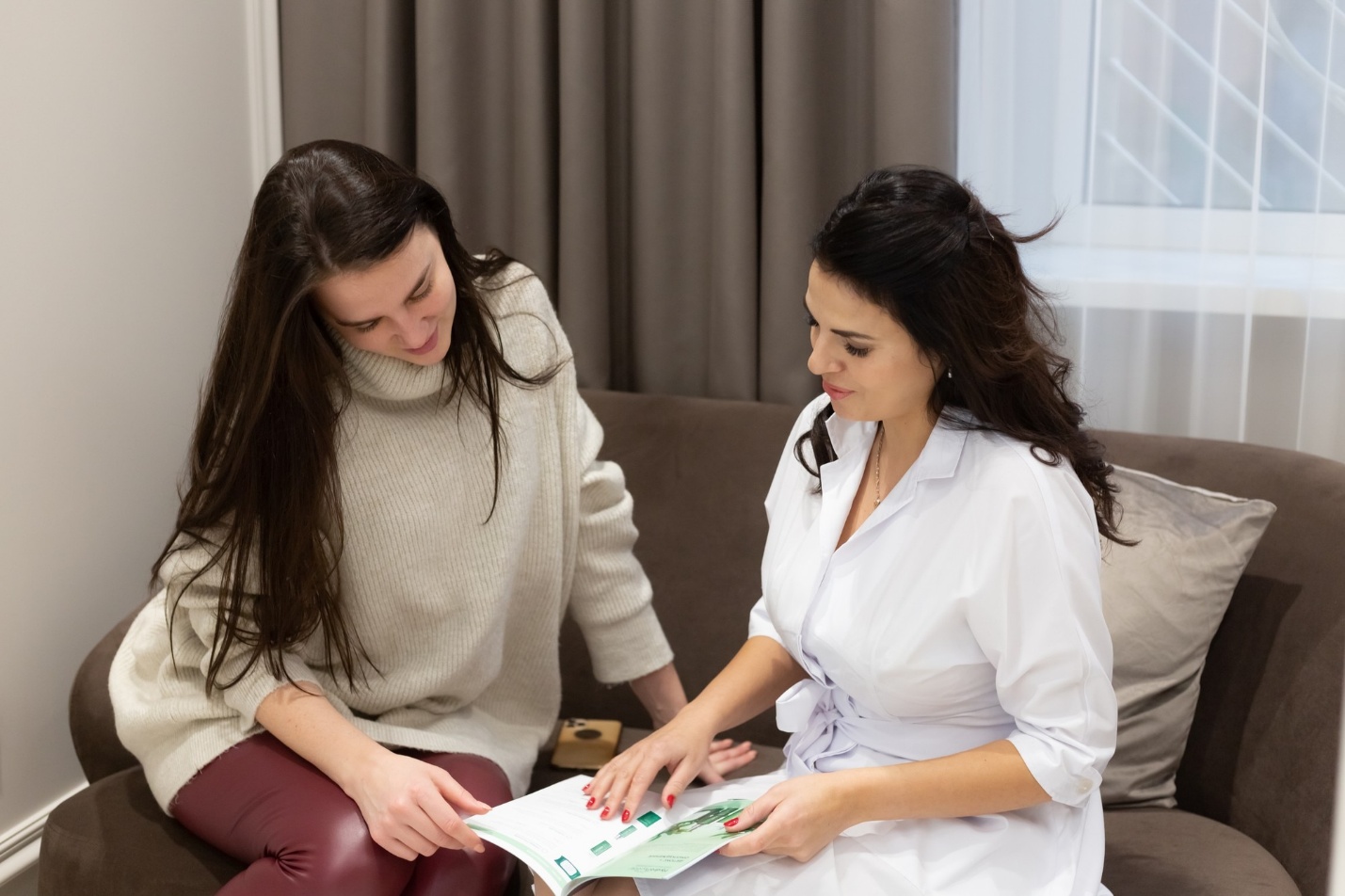
- Care plans are reviewed regularly, not left untouched for months
- Family members are welcomed into conversations, not excluded from them
- Feedback is encouraged, and changes are made when something isn’t working
- The person receiving care has a voice in decisions about their own routine
Understanding Behaviour, Not Just Managing It
Changes in mood, confusion, or resistance to certain tasks often have a reason behind them, even when that reason isn’t obvious straight away.
A deeper, more thoughtful approach to care looks beneath the surface. Rather than simply managing behaviour, it asks why that behaviour is happening in the first place. This kind of clinical understanding, paired with genuine compassion, allows carers to respond with patience rather than frustration.
It’s a subtle difference, but it changes everything about how care feels from the receiving end.
Why This Approach Makes a Real Difference
Families who experience truly person-focused support often describe a noticeable shift. Their loved one seems calmer. More like themselves. Less anxious about what each day might bring.
That’s because this style of care isn’t about ticking boxes. It’s about being seen as a whole person, with a history, personality and preferences that deserve respect, not just management.
Why Independence Still Matters Within Care
Receiving support doesn’t mean giving up control. One of the quieter goals of person-focused support is protecting independence wherever it’s still possible, not replacing it entirely.
Encouraging someone to make their own choices, from what they wear to how they spend their afternoon, preserves a sense of self that’s easy to lose once care begins. True relationship-based support finds the balance between offering help and stepping back when it isn’t needed.
Conclusion
Person-centred care isn’t a phrase to skim past on a website. Done properly, it means routines shaped around the individual, emotional safety treated as seriously as physical support, and a genuine partnership between carer, client and family. At BojetCares, this philosophy shapes every plan we create, because care should never feel like a checklist. It should feel like understanding.
Frequently Asked Questions
What makes person-centred care different from standard home care?Standard care often follows a fixed routine of tasks. Person-centred care builds support around the individual’s preferences, emotional needs and personal history, adjusting as those needs change over time.
Why is emotional safety important in home care?Emotional safety affects how comfortable someone feels accepting support. Trauma-informed care ensures carers explain each step, respect personal pace, and prioritise dignity alongside physical tasks.
How does person-centred care benefit family members?Families are kept informed and involved through regular reviews and open communication, rather than being left out of decisions about their loved one’s individualised care plan.
Is person-centred care only relevant for dementia or memory care?This approach suits anyone needing home support, including those recovering from illness, managing physical disabilities, or simply wanting relationship-based support that respects their independence.